Utah has become the first state in the nation to fully implement a digital apostille program, enabling residents to obtain international authentication for crucial legal documents electronically. The new system is designed to simplify processes for adoption, marriage, missionary service, education abroad, and other requirements in countries across the globe.
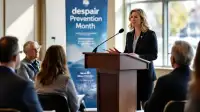
Lt. Gov. Deidre Henderson announced the launch on Tuesday from the Gold Room of the Utah Capitol in Salt Lake City, calling it "a big deal" that has been "many years in the making." She stated, "Now instead of bringing papers to the Capitol or waiting for the mail, Utahns can choose to send documents and receive their apostille certificates digitally." Henderson emphasized that Utah is leading the nation in offering this "fully-encrypted method of delivery, making the process more convenient and secure."
An apostille is an official authentication, similar to a notarization, that verifies the authenticity of government documents such as birth, marriage, or death certificates. This verification allows the documents to be legally recognized in other countries. Apostille certificates are typically issued by designated governmental authorities, such as the lieutenant governor in Utah’s case, and are accepted in over 125 countries under the terms of the 1961 Hague Apostille Convention.
The Hague Conference on Private International Law has worked for nearly 20 years to make digital apostilles a reality. Utah was part of a pilot program, alongside states like Washington, Montana, and Minnesota, with the City University of Seattle and Virginia-based company @Gov, Inc. During this pilot, Utah successfully issued more than 1,200 digital apostilles, which received 100% acceptance, according to the lieutenant governor’s office.
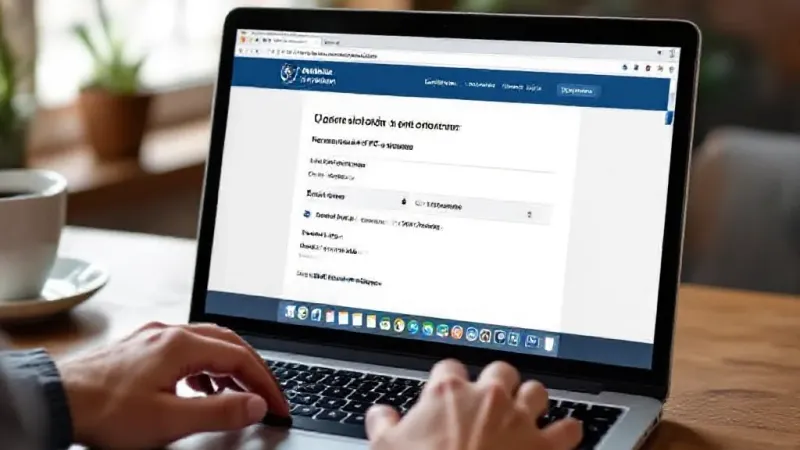
Now, Utah is moving to full implementation, contracting with @Gov to use its ApostilleXpress platform. This web-based platform is designed to streamline the issuance of apostilles. Through an online verification portal on the lieutenant governor’s office’s website, Utahns can opt to receive their apostille certificate digitally. Starting this Thursday, they will also be able to submit documents electronically.
While Utahns can still request traditional paper authentications, which cost state fees ranging from $5 to $20 plus optional shipping, digital authentications will cost approximately $75. This includes a $5 state fee and a $69.95 charge from the vendor, @Gov. Chris Jackson, CEO of @Gov, noted during Tuesday's news conference that his company's platform is "free to the state" and that the vendor charge covers the digital delivery service.
Jackson highlighted that this digital cost is often cheaper than international paper delivery, which can cost hundreds of dollars and take three to five days. He added that a digital apostille can be used multiple times and is "technically valid for life," leading to "incredible" savings for constituents.
Lt. Gov. Henderson informed reporters that demand for apostilles has surged by about 250% over the past six years, increasing from 18,000 in 2020 to a projected 45,000 in 2026. This growth, coupled with Gov. Spencer Cox's initiative launched last year to improve government efficiency and customer service, made her "proud" to launch the program. The lieutenant governor's office expects the new digital platform to reduce processing time by an estimated 80%, eliminating the need for Utahns to make appointments, travel in person to the Capitol, or mail sensitive documents.
Jonathan Freedman, president and CEO of World Trade Center Utah, praised the new digital program, stating it addresses a "real significant problem." He cited examples of Ukrainians in Utah facing obstacles in obtaining document authentication without being able to travel in person to the Capitol. Freedman emphasized that the convenience offered, which is "worth far more than the price of $75," removes a "huge barrier" for foreign nationals in Utah.